Putney Bridge Road removals booking windows to beat road works
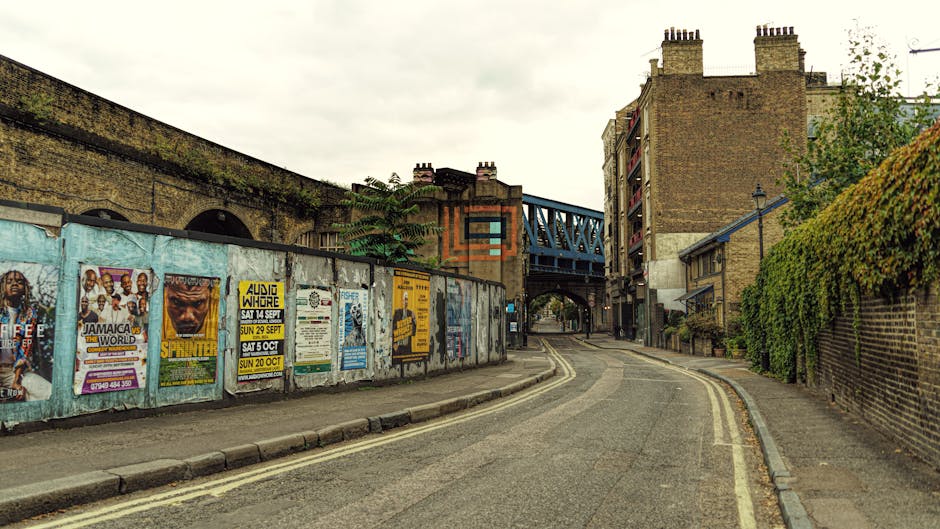
If you are trying to move around Putney Bridge Road, timing is everything. Road works can turn a straightforward removal into a slow, stop-start, mildly sweaty ordeal, especially if the van arrives just as cones, diversions, or lane restrictions kick in. The good news? With the right booking window, you can often avoid the worst of the disruption and keep your move calm, organised, and on schedule.
This guide breaks down Putney Bridge Road removals booking windows to beat road works in plain English. You will learn how the timing works, which slots are usually easier to manage, what to check before you book, and how to reduce the chance of delays on moving day. It is practical, local, and written for real-life moves, not idealised ones.
To be fair, no move in this part of London is ever perfectly predictable. But with a bit of planning, you can stack the odds in your favour.
- Why timing matters on Putney Bridge Road
- How booking windows work around road works
- Benefits of choosing the right slot
- Who this is for
- Step-by-step planning guide
- Expert tips
- Common mistakes to avoid
- Tools, resources and recommendations
- Law, compliance and best practice
- Options and comparison table
- Case study
- Practical checklist
- Conclusion
- Frequently asked questions
Why Putney Bridge Road removals booking windows to beat road works Matters
Putney Bridge Road sits in an area where traffic flow, parking pressure, and local works can collide in annoying little ways. One day everything looks manageable, and the next day a lane is narrowed, a bus route is slowed, or loading space is harder to use than expected. If your removal van is already booked for a tight window, even a modest delay can ripple through the whole day.
That is why the booking window matters so much. A booking window is the time you reserve for arrival, loading, and unloading. If you choose it well, you give yourself a buffer against predictable local friction: commuter traffic, school-run spikes, temporary restrictions, and road works that change access patterns without much warning. If you choose it badly, everything feels rushed. The crew is waiting. You are waiting. And the kettle, somehow, is in the one box you cannot find.
The point is not to control every variable. You cannot. The point is to avoid stacking the deck against yourself.
Expert summary: the best moving slot is rarely the one that looks most convenient on paper. It is the one that gives you the widest practical access, the least conflict with traffic peaks, and the best chance of loading without being boxed in by temporary road layouts.
For local moves, especially those involving flats, basement access, or narrow parking, timing can matter as much as the van size. In some cases, a slightly earlier slot is more valuable than a cheaper one because it helps you beat road works and keep your route flexible. If you are comparing move types, it can also help to look at broader services such as home moves and man and van support, especially when your property access is a bit awkward.
How Putney Bridge Road removals booking windows to beat road works Works
The basic idea is simple: you choose a time slot that gives your removal team the best chance of reaching the property, parking safely, and working without interruption. The trick is that road works do not just slow vehicles down. They can also affect loading space, pedestrian access, turnarounds, and whether the van can stop close enough to the entrance to make the job efficient.
In practice, booking windows tend to be shaped by a few common realities:
- Morning windows can work well if you want to arrive before traffic builds, but they can also clash with school-run movement and early commuter flow.
- Midday slots may be useful if the immediate rush has passed, though local delivery traffic can be heavier than people expect.
- Afternoon bookings often bring more uncertainty, especially if road works or parking pressure build as the day goes on.
- Weekend slots may feel easier, but local event traffic and weekend maintenance can still create delays.
There is no magic hour, sadly. If there were, every mover in London would be fighting for it. What works best depends on the exact location, the building type, and the kind of restriction in place.
When a road scheme is active near Putney Bridge Road, the best bookings are usually the ones that:
- Allow enough margin for traffic and parking changes.
- Reduce the chance of the van arriving during a known peak period.
- Leave room to reschedule slightly if access becomes awkward.
- Align with building access times, lift availability, or concierge rules.
If you are moving from a flat, it is worth thinking beyond the road itself. Internal access matters too. Long stair runs, small lifts, and shared entrances can turn a 30-minute loading job into a much longer one. That is where services like packing and unpacking services or a more tailored house removalists approach can save you a headache.
Key Benefits and Practical Advantages
Choosing the right booking window is not just about avoiding trouble. It has real practical benefits that can make the whole move feel less chaotic. And let's face it, moving day is already busy enough without adding avoidable delays.
- Less idle time for the removal team, which usually means a smoother day overall.
- Better vehicle positioning near your entrance, especially useful on busier stretches.
- Lower chance of knock-on delays if road works, diversions, or parking restrictions appear at short notice.
- Reduced stress because you are not racing the clock from the start.
- More flexibility if the route needs to change mid-move.
There is also a less obvious benefit: better booking windows make it easier to communicate clearly with everyone involved. If a landlord, concierge, neighbour, or parking contact knows roughly when the van is due, things tend to run more smoothly. No drama. Just less faffing.
For business moves or properties with multiple access points, timing can be even more valuable. A well-chosen slot may help avoid loading conflicts or lift bottlenecks. That is one reason some customers pair their timing plan with services such as commercial moves or office relocation services when the job is more complex than a standard house move.
| Booking approach | Typical strengths | Common weakness | Best for |
|---|---|---|---|
| Early morning | Often calmer roads, fresh crew, clearer schedule | Can clash with commuter build-up | Homes with easy early access |
| Mid-morning | Traffic may have settled slightly | Parking demand can increase | Smaller moves with flexible access |
| Midday | Useful for staggered handovers | Delivery traffic and loading competition | Moves needing a bit of buffer |
| Late afternoon | Can suit property handovers | Higher risk of congestion and timetable slip | Light moves only, if timing is flexible |
Who This Is For and When It Makes Sense
This approach makes sense for anyone moving to, from, or across the Putney Bridge Road area where road works could affect access. But it is especially useful if you fall into one of these groups:
- Flat movers who need the van to park close to a shared entrance.
- Families moving a full household and trying to keep children, pets, and boxes under control.
- Landlords and tenants working around check-out times and inventory inspections.
- Small businesses that cannot afford a long interruption to trading.
- People with awkward items such as wardrobes, beds, or fragile furniture that need careful handling.
It also makes sense if your property sits on a road where temporary restrictions are common. In those cases, the question is not whether road works will matter, but how much they will matter on the day. A smart booking window reduces the odds of being caught in the middle of it.
If your move includes heavy furniture or specialist items, planning matters even more. You may want extra loading time, a sturdier vehicle, or support with lifting and protection. Some customers also pair their move with removal truck hire or moving truck options when volume is higher than expected.
Step-by-Step Guidance
Here is a practical way to plan your booking window without overcomplicating it.
1. Check your route and access points
Look at the exact street layout, not just the postcode. Where will the van stop? Is there space to turn? Will it need to reverse? A move can go from smooth to messy in about ten seconds if the driver has to hunt for safe stopping space.
2. Build around the most likely traffic pinch points
Think about commuter windows, school traffic, delivery hours, and local road patterns. You do not need a traffic model. Just use common sense and avoid obvious pressure points where possible.
3. Allow a buffer, not a fantasy
People often book as though everything will run perfectly. It rarely does. Add time for carrying, lift waits, small delays, and the occasional "where did that box go?" moment.
4. Match the slot to your property rules
If your building has a lift booking, loading bay slot, concierge sign-in, or fixed handover time, let that set the framework. Road works are annoying, but they still have to fit around the building's own rules.
5. Confirm parking and stopping arrangements early
Even a good booking window will struggle if the van cannot stop legally and safely. If parking is likely to be tight, line up the support you need in advance. A lot of moves go wrong here, honestly. Not because anyone forgot the sofa, but because nobody had the van position sorted.
6. Share the plan with everyone involved
Let the removal team know about any restricted access, narrow sections, stairs, or time-sensitive handover. If you need extra help, mention that too. It is better to sound overly thorough than to be surprised on the doorstep.
7. Keep a fallback option in mind
Sometimes a road closure or unexpectedly slow stretch means the original plan needs a tweak. A slightly flexible crew and a realistic schedule can save the day.
As a practical aside, if you are still in the planning stage, it can help to compare service levels on the website too, especially the main man with van option and the wider information on pricing and quotes. The right slot and the right service level should work together, not fight each other.
Expert Tips for Better Results
After enough moves, a few patterns become obvious. Nothing glamorous. Just the little things that save time and reduce friction.
- Book earlier than you think you need to if the road is likely to be affected by works. A small time cushion can be worth a lot.
- Avoid crossing both a traffic peak and a lifting-heavy move on the same day if you can help it.
- Ask about the crew's arrival sequence so you know whether they need to park first, assess access, or start loading immediately.
- Keep key items separate so if the schedule slips, you still have documents, chargers, and kettle supplies to hand. Yes, the kettle really matters.
- Use light, clear labelling for boxes, especially if items need to go in quickly before road access changes.
- Move any awkward items first if access is easiest at the start of the slot.
One small but important tip: if road works are expected to affect one side of the street more than the other, ask whether a different approach, entrance, or stop point would help. Sometimes a tiny shift in positioning makes the whole thing much easier. Tiny thing, big payoff.
And if you are moving on a tight timeline, support services such as packing and unpacking services can remove a surprising amount of pressure. It is not just about speed; it is about keeping the day manageable.
Common Mistakes to Avoid
A lot of avoidable move-day stress comes from the same handful of mistakes. The good news is that they are easy to spot once you know what to look for.
- Booking too close to known road works and hoping for the best.
- Assuming access will be the same all day when temporary restrictions can shift the situation.
- Forgetting to check loading rules for the building or street.
- Underestimating the time needed for stairs, lifts, or long carries.
- Not giving the removal team enough detail about parking, entry codes, or road closures.
- Leaving a hidden backlog of packing until the morning of the move.
Truth be told, the biggest mistake is usually optimism without a plan. A lot of people think, "We'll just leave early and it'll be fine." Sometimes it is fine. Sometimes the van arrives and the route is slower than expected, the lift is booked, and your best-laid plan turns into a bit of a scramble.
Another common slip is choosing a booking window because it is cheap, not because it is practical. That can work for simple jobs. For Putney Bridge Road removals around road works, practicality usually wins.
Tools, Resources and Recommendations
You do not need a fancy toolkit to plan a move well, but a few simple resources can help you stay organised.
- A written move timeline with handover times, parking details, and contact names.
- A room-by-room packing list so nothing gets left behind when the van needs to go.
- Clear labels and colour coding for boxes going to different rooms.
- Measuring tape for doorways, furniture, and awkward corners.
- Basic protective materials such as blankets, wrap, and tape for fragile or bulky pieces.
For heavier items, it is sensible to think about whether a standard van is enough or whether a larger vehicle would reduce the number of trips. A service like removal truck hire can be a better fit if you are moving a full house, not just a few boxes.
If your move includes furniture disposal or one-off item movement, you may also want to look at furniture pick up and bulky item removal in Wandsworth guidance so that unwanted pieces do not complicate the move-day schedule.
Law, Compliance, Standards, or Best Practice
For moves around Putney Bridge Road, the main compliance issues usually come down to parking, access, safety, and courtesy. You should check local parking restrictions, loading rules, and any building-specific requirements before the day. Where road works are active, temporary signage can change what is possible, and it is worth treating those signs seriously rather than hoping they are only advisory.
It is also good practice to keep the move safe for everyone involved. That means suitable lifting methods, sensible vehicle positioning, and clear communication between the driver, helpers, and anyone managing access to the building. If you are moving large or awkward items, do not wing it. That is how backs get annoyed and furniture gets scratched.
For customers comparing providers, it helps to ask about insurance, handling procedures, and what happens if access changes unexpectedly. A reliable removals setup should be able to explain how it deals with delays, damaged access, and awkward loading conditions. You do not need legal jargon. You need plain answers.
It is also reasonable to expect clear payment information, sensible booking terms, and a transparent cancellation or rescheduling process. If your plans change because of road works, that flexibility matters.
For more background on the company's standards and operating approach, the pages on insurance and safety, health and safety policy, and payment and security are useful places to start.
Options, Methods, or Comparison Table
If you are deciding how to book, it helps to compare the most common approaches side by side.
| Method | What it looks like | Pros | Cons |
|---|---|---|---|
| Fixed early slot | First thing in the morning | Strong chance of smoother access | May clash with commuter traffic |
| Flexible mid-slot | Late morning or midday | Good balance for many local moves | Still exposed to delivery and parking pressure |
| Late-day slot | Afternoon or early evening | Can suit handovers | Higher risk of delay if works run long |
| Buffer-heavy booking | Extra time added around arrival and loading | Best for uncertain access | Can cost more, but often worth it |
The most suitable option depends on the property, the volume of items, and how much access uncertainty you can tolerate. If the route is likely to be disrupted, a buffer-heavy booking often pays for itself in calm alone. Calm is underrated. Really underrated.
For smaller moves, a basic van-and-helper arrangement may be enough. For larger jobs, especially where road access is compromised, a more robust setup can be smarter. It is worth comparing your move against the service style in same-day removals in Wandsworth if your timing is tight and you need something quick but still structured.
Case Study or Real-World Example
Here is a realistic example based on the kind of move people often face around this part of London.
A couple moving from a first-floor flat near Putney Bridge Road had a van booked for mid-morning. On paper, that seemed fine. But nearby road works were narrowing the approach road, and the building had a shared entrance with limited stopping space. Instead of keeping the original timing, they shifted the booking slightly earlier, packed all non-essentials the night before, and cleared the hallway so the crew could start loading immediately.
That small change made the difference. The van arrived before the heaviest local traffic, access was still usable, and the load-out was completed without any panicked reshuffling at the kerb. The move still took work, of course. Moves always do. But it stayed controlled, and nobody was standing in the street wondering whether the last box had disappeared into the wrong flat.
The lesson is simple: better timing does not remove every problem. It just removes the preventable ones.
If a move involves stairs, tight corners, or heavier pieces, reading practical advice such as Putney Bridge Road removals in Wandsworth: stairs and timing can help you plan the order of work more carefully.
Practical Checklist
Use this before you lock in the booking.
- Confirm the exact move date and time window.
- Check for active or likely road works near Putney Bridge Road.
- Review parking and loading restrictions.
- Measure access points, stairs, and tight turns.
- Tell the team about lifts, concierge rules, or entry codes.
- Pack the essentials separately.
- Label boxes clearly by room.
- Book extra time if the move is large or access is uncertain.
- Decide whether a larger van or truck would be more efficient.
- Keep a phone charged and available on move day.
- Have a backup plan if the route changes.
Quick reminder: if the move feels close to impossible on paper, it usually just needs a better sequence, not a miracle.
Conclusion
Putney Bridge Road removals booking windows to beat road works are really about one thing: giving yourself room to breathe. A smart slot protects you from the most common local disruptions, keeps the removal team working efficiently, and makes the whole day feel less like a sprint through traffic and more like a controlled handover.
If you take nothing else from this guide, remember this: book for access, not just convenience. The right window can save time, reduce stress, and make the move feel far more manageable. That is true whether you are moving a studio flat, a family home, or a small business with a lot of boxes and not much patience left.
Get a free quote today and see how much you can save.
When you plan the timing well, the whole move has a better chance of landing smoothly. And that, honestly, is a lovely thing on a busy London day.
Frequently Asked Questions
What is the best time to book removals on Putney Bridge Road?
The best time depends on current access, likely traffic, and any nearby road works. Early morning often works well for avoiding the busiest build-up, but the right answer is the slot that gives you the clearest access and the most flexibility.
How do road works affect removal bookings?
Road works can reduce lane space, slow traffic, limit parking, and make stopping close to the property harder. Even if the move itself is straightforward, those access changes can add delay and stress.
Should I choose the cheapest booking window?
Not always. A cheaper slot can be a false economy if it clashes with traffic peaks or road restrictions. For local moves with access issues, practicality often matters more than saving a small amount.
How much extra time should I allow?
There is no single rule, but a buffer is wise if the route is affected by works, if parking is tight, or if the property has stairs or a lift. Even a modest extra window can make the day much calmer.
What if road works start after I have booked?
Contact the removal provider as soon as possible and explain the change. Good planning helps, but flexibility matters too. A sensible team should be able to discuss revised arrival, parking, or loading options.
Do I need a larger van for this area?
Sometimes yes. If access is awkward or you want to reduce trips, a larger vehicle can be more efficient. For smaller jobs, a man and van setup may be enough. The size choice should match the route and the volume, not just the price.
Is morning or afternoon better for Putney Bridge Road moves?
Morning is often better for access and calmer loading, but it can depend on commuter traffic and local restrictions. Afternoon can work for some handovers, though it may carry more risk of delay.
What should I tell the removal team before moving day?
Share parking details, access codes, lift arrangements, stairs, road work concerns, and any fragile or heavy items. The more they know early, the easier it is to plan a smooth arrival.
Can packing early really make a difference?
Yes, absolutely. If the crew arrives and everything is ready to go, you reduce the time spent waiting around while access conditions are changing. It is one of the simplest ways to protect your booking window.
Are same-day moves a bad idea near road works?
Not necessarily, but they need tighter coordination. If access is uncertain, same-day moves can feel rushed. They work best when the route, parking, and packing are already under control.
What if I am moving bulky furniture only?
For bulky items, timing still matters because loading space and stopping position can make a big difference. Services focused on larger pieces or single-item transport can help if you do not need a full household move.
How can I reduce stress on the day?
Keep essentials separate, confirm access details in advance, book a sensible window, and avoid leaving packing until the last minute. It sounds basic, but basics are what hold the day together when the road gets busy.